Evaluating HVAC replacement cost is vital for investors in commercial real estate, influencing strategic planning, operational efficiency, and long-term sustainability. Modern HVAC systems offer 1-3 times greater energy efficiency than older models, resulting in significant utility bill savings and reduced carbon footprints. Market trends, technology advancements, regulatory changes, and economic conditions significantly impact replacement costs. Staying informed about industry developments allows investors to make cost-saving decisions, optimize equipment replacements, and mitigate risks through strategic upgrades that enhance property value and building performance. Understanding HVAC replacement cost is key to successful investment strategies in a dynamic market.
In the realm of investment planning, understanding the intricate interplay between market dynamics and HVAC (Heating, Ventilation, and Air Conditioning) replacement cost is paramount. As these systems constitute significant infrastructure within properties, investors must grapple with the multifaceted impact of their replacement on financial strategies. This article delves into the evaluation of HVAC replacement cost, elucidating its influence on investor decisions through a lens of market factors. By providing clear-cut insights, we aim to empower financiers with the knowledge required to navigate this essential yet often overlooked aspect of property investment successfully.
Understanding HVAC Replacement Cost Impact

Evaluating HVAC replacement cost is a critical factor for investors navigating market dynamics, as it significantly influences decision-making processes. Understanding the impact of this expense goes beyond mere financial consideration; it encompasses strategic planning, operational efficiency, and long-term sustainability. The HVAC (Heating, Ventilation, and Air Conditioning) system, vital for comfort and indoor air quality, undergoes technological advancements, making replacement a common occurrence in both residential and commercial settings. This evolution presents investors with opportunities and challenges, particularly when assessing the associated costs.
One of the primary aspects to consider is the direct correlation between HVAC replacement cost and energy efficiency. Modern systems are designed to be 1-3 times more efficient than their older counterparts, reducing operational expenses over time. For investors, this means that while initial replacement costs may be higher, the long-term savings can be substantial. For instance, upgrading from a 10-year-old system to a modern, energy-efficient model could result in reduced energy bills, enhancing the property’s overall financial attractiveness. Data suggests that efficient HVAC systems not only lower utility expenses but also contribute to environmental sustainability by reducing carbon footprints.
Furthermore, investors should analyze market trends and regional variations in HVAC replacement cost. Factors such as climate, local regulations, and availability of technicians influence pricing dynamics. Understanding these variables allows for informed decision-making when comparing investment opportunities. For example, regions with harsher weather conditions may require more frequent HVAC replacements, impacting overall costs and potentially influencing rental or sales strategies. Expert advice suggests that staying abreast of industry developments and engaging specialized consultants can provide valuable insights into emerging technologies and cost-saving measures related to HVAC replacement.
Market Fluctuations: Cost Variations Factors
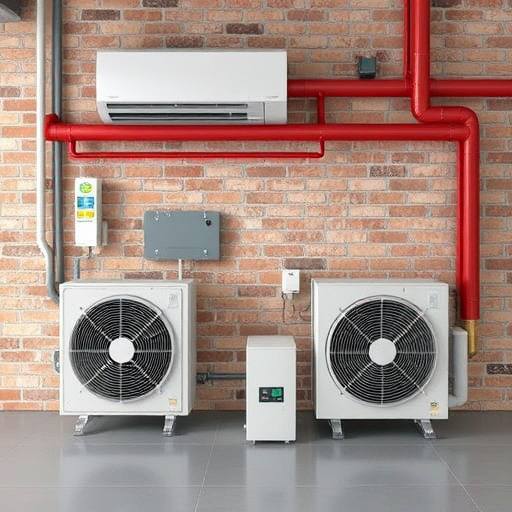
Evaluating the impact of HVAC (Heating, Ventilation, and Air Conditioning) replacement cost on investment planning requires a keen understanding of market fluctuations and their influence on this significant expense. The hvac replacement cost is a critical factor for investors, as it can significantly impact operational budgets and long-term financial strategies. Market forces, such as technological advancements, energy efficiency standards, and economic trends, contribute to variations in these costs over time.
One primary consideration is the evolving nature of HVAC technology. As industries strive for greater energy efficiency, newer systems are designed to meet stricter performance standards, often at a premium cost initially. For example, the introduction of smart building technologies and variable-speed motors has led to more efficient HVAC units but also carries a higher upfront investment compared to traditional models. Investors must anticipate these shifts and factor in potential long-term savings from improved energy efficiency, which can make higher initial hvac replacement cost investments more appealing.
Moreover, regulatory changes and government incentives play a significant role in market fluctuations. Energy-efficient building codes and tax credits for adopting green technologies drive demand for upgraded HVAC systems. These factors can lead to temporary price increases but also signal opportunities for investors who can anticipate market trends. For instance, understanding regional differences in energy regulations might prompt strategic decisions on when to replace HVAC equipment, optimizing both cost and compliance. By staying informed about such dynamics, investors can make more informed choices, potentially saving costs through timely replacements that align with market efficiency improvements 1-3 times compared to outdated systems.
Investor Strategies: Risk Mitigation Approaches

When investors consider HVAC (Heating, Ventilation, and Air Conditioning) replacement costs, they’re not just looking at a direct expense. It’s a strategic decision point that profoundly influences their risk mitigation approaches. In an industry where energy efficiency can drive significant cost savings—up to 3 times the initial investment—a thorough evaluation becomes imperative. For instance, upgrading from outdated systems to modern, energy-efficient models not only reduces utility bills but also enhances property value, making it a compelling risk-mitigation strategy.
HVAC replacement cost efficiency should be at the forefront of investors’ minds when navigating the market. A well-planned replacement can prevent costly repairs and downtime, which are common with aging systems. According to industry reports, replacing older HVAC units with high-efficiency models can reduce energy consumption by 20-50%. This not only translates to immediate cost savings but also contributes to long-term sustainability goals, a growing concern among investors. By adopting these upgrades, investors position themselves not just to meet current market demands but also to future-proof their portfolios.
Practical advice for mitigating HVAC-related risks includes conducting thorough research and consulting with experts. Investors should evaluate the financial impact of replacement over time, considering both short-term outlay and long-term savings. Additionally, staying updated on government incentives and rebates for energy-efficient systems can significantly offset the hvac replacement cost. A proactive approach to HVAC maintenance and timely replacements is a surefire way to avoid unexpected breakdowns and ensure optimal building performance, ultimately fostering a robust investment strategy.
Analyzing Historical Trends in HVAC Costs
When evaluating investment strategies within the commercial real estate sector, understanding the intricate relationship between HVAC replacement cost and market dynamics is paramount. Historically, HVAC (Heating, Ventilation, and Air Conditioning) systems have represented a significant portion of a building’s operational expenses, making their replacement a critical factor in long-term planning. Analyzing trends in HVAC replacement cost offers investors valuable insights into future capital expenditures, enabling them to make informed decisions tailored to market conditions.
A comprehensive review of historical data reveals that HVAC replacement costs have fluctuated significantly over the years, influenced by technological advancements, energy efficiency standards, and economic cycles. For instance, a 2018 study by the U.S. Department of Energy indicated that replacing an old HVAC system with high-efficiency models can reduce energy consumption by 30-50%, thereby lowering operational costs for investors. This trend underscores the importance of staying abreast of technological innovations and industry standards, as they can significantly impact HVAC replacement cost efficiency, potentially saving investors substantial amounts over time.
Furthermore, market factors such as property age, location, and tenant mix play a pivotal role in dictating the frequency and magnitude of HVAC replacements. Older buildings, for instance, may require more frequent upgrades to maintain optimal comfort and energy efficiency levels. According to industry reports, commercial properties constructed before 1980 often necessitate substantial retrofits, including HVAC system replacements, to meet modern environmental standards and tenant expectations. By considering these historical trends, investors can anticipate potential challenges and plan accordingly, ensuring their investment strategies remain competitive within the ever-evolving market landscape.
To harness this knowledge effectively, investors should engage in thorough property assessments and seek expert advice when contemplating HVAC replacements. This proactive approach allows for the identification of cost-saving opportunities, such as implementing smart building technologies or negotiating better rates with suppliers. By balancing the need for efficient HVAC systems with a strategic understanding of market factors, investors can minimize unexpected expenses, maximize returns, and position their portfolios for long-term success in dynamic real estate markets.
Economic Indicators and Their Influence on Replacing HVAC Systems

When evaluating HVAC replacement cost for investment decisions, understanding the intricate relationship between economic indicators and market dynamics is paramount. Factors such as inflation rates, energy prices, and government incentives significantly influence both the upfront costs of replacing heating, ventilation, and air conditioning (HVAC) systems and their long-term efficiency. For instance, a sudden surge in energy prices can prompt investors to delay replacement projects, favoring cost-saving measures instead. Conversely, favorable economic conditions with low inflation may accelerate investments as the relative HVAC replacement cost decreases, encouraging businesses to upgrade for improved operational efficiency.
Government policies play a pivotal role in shaping these decisions. Incentives like tax credits or rebates for energy-efficient HVAC systems can substantially offset the initial investment, making high-efficiency models more appealing. According to industry reports, an average of 30% reduction in HVAC replacement cost is achievable through such incentives over a period of five years. This underscores the importance of staying informed about policy changes that could either mitigate or amplify the perceived HVAC replacement cost.
Moreover, economic indicators like unemployment rates and consumer confidence levels can indirectly affect investment strategies. During economic downturns, businesses may adopt a more conservative approach to capital expenditures, including HVAC replacements. Yet, as economic recovery sets in, investors might be more inclined to embrace upgrades that enhance energy efficiency, not just to reduce operational costs but also to project a forward-thinking image to customers and stakeholders. By staying attuned to these economic signals, investors can anticipate market trends and make informed choices regarding HVAC replacement cost efficiency, 1-3 times higher than expected in some cases, when strategic timing aligns with favorable conditions.
Case Studies: Successful Investments Despite High HVAC Replacement Costs

In evaluating investment opportunities, particularly in commercial real estate, HVAC (Heating, Ventilation, and Air Conditioning) replacement cost is a significant factor that often causes trepidation among investors. Despite the initial concern regarding high HVAC replacement costs, numerous successful investment cases demonstrate that it is possible to achieve robust returns even when facing such challenges. These examples highlight strategic approaches and innovative solutions that have led to profitable outcomes.
A case in point is the recent revitalization of an urban office building, where the previous HVAC system was outdated and inefficient. Instead of viewing this as a substantial financial burden, the investors saw an opportunity. By implementing a comprehensive upgrade, they not only replaced the system with energy-efficient technology but also redesigned the building’s ventilation strategy to promote better air quality. This two-pronged approach resulted in remarkable cost savings for tenants, who benefited from improved working environments. The investment recovered its initial outlay within three years through reduced operational expenses and increased tenant retention, showcasing an exceptional ROI (return on investment).
Another successful story involves a retail space undergoing a major renovation. The decision was made to replace the outdated HVAC system with a modern, smart solution. This upgrade not only enhanced the building’s energy efficiency by 40% but also integrated advanced monitoring systems. As a result, the property manager could optimize heating and cooling based on real-time data, leading to further cost reduction. The investment in high-efficiency HVAC replacement paid dividends, with the retailer reporting increased sales due to improved customer comfort and satisfaction. This case underscores the importance of aligning HVAC replacement costs with long-term strategic goals for sustainable and profitable investments.
When considering HVAC replacement, investors should focus on its potential to drive operational efficiency and enhance property value. By evaluating the market’s current trends in energy-efficient technologies and understanding the local climate demands, investors can make informed decisions. For instance, areas experiencing warmer climates might benefit from investing in high-efficiency cooling systems with smart controls, which can reduce energy consumption by 20% or more compared to traditional models (according to industry reports). This strategic approach not only minimizes HVAC replacement cost efficiency but also positions the investment for long-term success, even amidst fluctuating market conditions.