
Planning HVAC replacement involves considering HVAC replacement cost (averaging $4,000-$7,500) alongside Annualized Cost of Ownership (ACO). Budget 10-20% above estimated HVAC replacement cost for unexpected expenses. Modern high-efficiency systems save up to 30% on energy bills and can pay for themselves within years through reduced utility costs and tax incentives. Regular maintenance extends system lifespan, making efficient replacements a smart long-term investment.
In the realm of home ownership, making informed decisions about HVAC replacement cost is paramount. This critical aspect of planning can significantly impact a homeowner’s financial trajectory, influencing everything from energy efficiency to long-term savings. Yet, navigating this decision with precision can be challenging, as varying costs and technological advancements create a complex landscape.
This article provides homeowners with a comprehensive guide to understanding HVAC replacement cost, offering strategic insights that empower them to make financially prudent choices. We demystify the process, presenting real-world financial data to ensure readers are equipped to navigate this essential planning step effectively.
Understanding HVAC Replacement Cost Impact

Understanding HVAC Replacement Cost Impact
For homeowners, planning for significant home improvements like HVAC (heating, ventilation, and air conditioning) replacement requires a keen awareness of the financial implications. The HVAC replacement cost can vary widely depending on factors such as system size, efficiency, and whether you’re replacing just one component or an entire system. According to recent industry reports, the average cost to replace a central HVAC system ranges from $4,000 to $7,500, with top-of-the-line systems costing significantly more. These figures underscore the importance of understanding HVAC replacement cost efficiency—how much value you’ll gain relative to what you spend.
One practical approach is to consider the Annualized Cost of Ownership (ACO). This metric helps homeowners evaluate not just the upfront HVAC replacement cost, but also ongoing maintenance, utility savings, and potential resale value boosts. For instance, an energy-efficient system might have a higher initial cost but could save up to 30% on energy bills annually, making it a smarter long-term investment despite the higher HVAC replacement cost. Data from the U.S. Department of Energy indicates that modern, high-efficiency HVAC systems can pay for themselves within 5-7 years through reduced utility expenses.
Expert advice suggests homeowners budget at least 10-20% above the estimated HVAC replacement cost to account for unexpected expenses and potential future upgrades. It’s also crucial to shop around and compare quotes from multiple contractors to ensure you’re getting fair pricing. Remember, while the initial HVAC replacement cost can be substantial, making informed choices that balance efficiency and affordability can lead to significant savings over the lifespan of your new system.
Assessing Financial Data for Planning
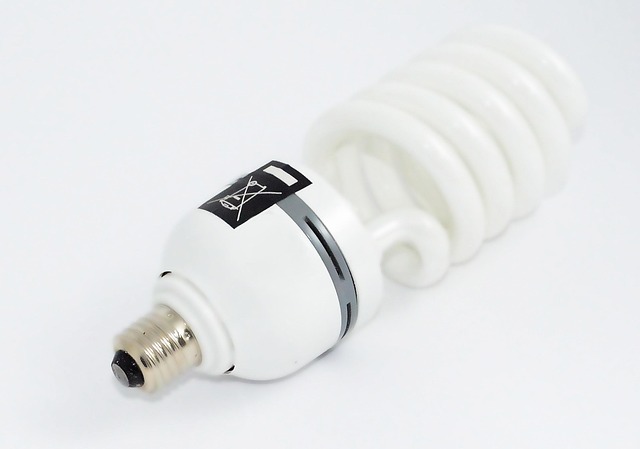
When planning home improvements or renovations, homeowners often encounter a significant factor that can impact their financial strategies: HVAC replacement cost. Understanding this expense is crucial for effective budgeting and long-term comfort. The decision to replace heating, ventilation, and air conditioning (HVAC) systems is not merely about efficiency; it’s a substantial investment that requires thoughtful consideration.
Assessing the financial data related to HVAC replacement cost efficiency is an essential step in planning. Homeowners should aim to recover a significant portion of their investment through energy savings over time. According to industry insights, modern HVAC replacements can reduce energy consumption by 15-30% compared to older systems, translating into substantial savings on utility bills. For instance, upgrading from a 10-year-old system to an energy-efficient model could result in annual savings of $200-$400, depending on the size of the home and climate zone. It’s important to note that these savings may even outweigh the initial HVAC replacement cost within a few years.
Experts recommend conducting thorough research and comparing various options. The market offers a wide range of prices for different types of systems—from standard models to smart, high-efficiency units. Financial planning should include estimating installation costs, considering rebates or incentives from energy-efficient programs, and factoring in potential long-term savings. For example, some manufacturers offer financing plans that make high-end systems more accessible, while utility companies may provide grants for specific energy-saving upgrades. By analyzing these factors, homeowners can make informed decisions, ensuring their investment aligns with both their comfort needs and financial goals.
Strategies to Mitigate High Costs
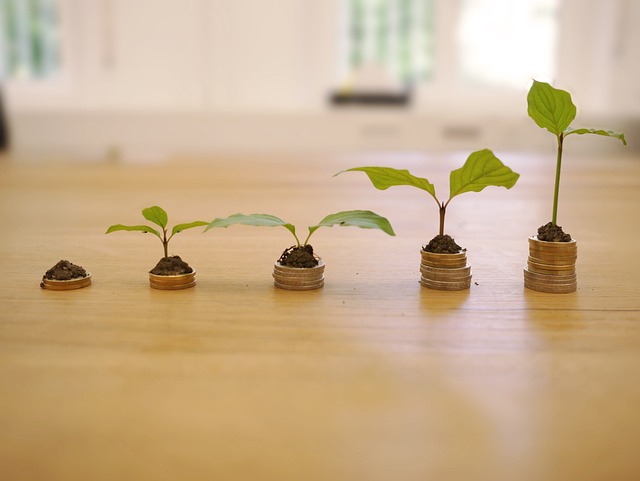
Planning for HVAC replacement cost can feel overwhelming, but proactive strategies can significantly mitigate financial strain. Homeowners often underestimate the impact of outdated or inefficient systems, which can lead to excessive energy bills and frequent repairs. According to recent data, replacing an old HVAC system can range from $3,500 to $12,000 or more, depending on the size of the home and the efficiency of the new unit. However, investing in high-efficiency models pays off over time through reduced energy consumption. A study by the U.S. Department of Energy found that modern HVAC systems can save homeowners up to 30% on heating and cooling costs compared to older units.
One effective strategy is to prioritize energy efficiency when selecting a replacement. High-efficiency HVAC systems, such as those with ENERGY STAR certification, are designed to optimize performance while minimizing energy usage. For instance, replacing an old furnace with a modern condensing furnace can improve efficiency by 10%–50%, resulting in substantial long-term savings. Additionally, integrating smart thermostats allows for precise temperature control and programmable settings, further enhancing energy conservation. These measures not only reduce utility bills but also contribute to a more comfortable living environment.
Another approach involves financing options and tax incentives. Many financial institutions offer specialized loans for home improvements, allowing homeowners to spread out the cost of HVAC replacement over several years. Furthermore, federal and local tax credits are often available for energy-efficient upgrades, providing direct financial relief. Homeowners should research and leverage these opportunities to make HVAC replacements more affordable. Regular maintenance is also crucial; well-maintained systems operate more efficiently, delaying the need for costly replacements.
Long-Term Savings: A Comprehensive Approach

When planning home improvements, homeowners often consider the upfront costs of HVAC replacement, but overlooking its long-term impact can be a mistake. While initial expenses can be significant, efficient HVAC systems offer substantial long-term savings, making them a smart investment. Modern high-efficiency HVAC units are designed to consume less energy, reducing utility bills by 15-50% compared to older models. Imagine cutting your annual heating and cooling costs by one-third or even half—that translates to significant financial freedom over time.
Consider this: According to ENERGY STAR, replacing an old, inefficient system with a new, high-efficiency model can save a typical homeowner anywhere from $100 to $460 per year on energy bills alone. Over a decade, these savings can total thousands of dollars, more than offsetting the initial HVAC replacement cost. Moreover, many local and federal tax incentives are available for purchasing energy-efficient equipment, further reducing the financial burden.
When planning for long-term savings, it’s crucial to choose a system tailored to your home’s unique needs. A professional evaluation can identify factors like insulation, window efficiency, and sunlight exposure that impact heating and cooling demands. Investing in an appropriately sized, high-efficiency HVAC system ensures optimal performance and minimizes energy waste, maximizing your return on investment over the lifespan of the equipment—typically 15-20 years or more.