The HVAC replacement cost varies based on age/condition of systems, building size, energy efficiency, and desired features. Modern systems offer 30-40% utility bill savings but come at a higher upfront cost. Trends include variable speed air handlers, heat pumps (30% efficiency gain), IoT devices for proactive maintenance, and tax incentives for high-efficiency models. Long-term savings of 30-50% are possible with Energy Star-rated models. Strategies for managing HVAC replacement cost include strategic borrowing, shopping contractor quotes, and utilizing government incentives.
Understanding the impact of HVAC replacement cost is paramount for borrowers navigating today’s financial landscape. Heating, ventilation, and air conditioning systems are essential components of modern homes and businesses, yet their replacement often represents a significant financial burden. This article delves into the intricate relationship between HVAC replacement cost and borrower expenses, providing current insights to demystify this crucial aspect of home ownership and business operations. By the end, readers will grasp how these costs can shape their financial trajectories and empowered to make informed decisions.
Understanding HVAC Replacement Cost Factors

The cost of HVAC (Heating, Ventilation, and Air Conditioning) system replacement is a significant factor in shaping borrowers’ financial obligations, especially when considering the intricate interplay of various components. Understanding these factors is crucial for both lenders and borrowers to ensure informed decisions regarding funding and investment. The hvac replacement cost can vary widely depending on several key elements, each impacting overall expenses 1-3 times, according to industry experts.
One primary factor is the age and condition of the existing system. Older units often require more frequent repairs and have lower energy efficiency, leading to higher replacement costs. For instance, a study by the U.S. Department of Energy revealed that replacing an outdated central air conditioner can range from $2,500 to $5,000 or more, depending on the size and type of unit. Similarly, heating systems, especially those based on fossil fuels, may need replacement after 15-20 years, with costs varying based on fuel efficiency and local market rates.
Size and capacity are also critical considerations. Larger buildings or spaces require more substantial equipment, which can significantly influence hvac replacement cost efficiency. Lenders should assess the square footage of properties to estimate the appropriate system size, ensuring optimal energy performance. Modern, energy-efficient systems, such as variable-speed heat pumps, offer long-term savings by reducing utility bills and may qualify for incentives or rebates, making them a financially prudent choice for borrowers.
Another aspect to consider is the level of customization and advanced features desired in the new system. Customized designs for unique architectural spaces or integrated smart home technology can add to the overall expense. However, these upgrades may also enhance the property’s value and long-term energy savings, making them attractive investments for borrowers seeking both comfort and financial sustainability.
Impact on Borrowers: Costs and Finances

The impact of HVAC replacement cost on borrowers’ finances cannot be overstated. In an era where energy efficiency is a paramount concern, homeowners are increasingly faced with the decision to replace their aging heating, ventilation, and air conditioning systems. This process, while essential for maintaining comfort and indoor air quality, comes with a significant financial burden. Understanding how HVAC replacement cost affects borrowers is crucial for making informed decisions that balance short-term investment with long-term savings.
One of the primary drivers of this impact is the inherent efficiency of modern HVAC systems. Unlike their older counterparts, contemporary models are designed to operate with remarkable energy efficiency, reducing utility bills by as much as 30-40%. However, this improved efficiency comes at a premium upfront, as higher-grade equipment often carries a substantial price tag. Borrowers must weigh the initial investment against the anticipated long-term savings, considering that an efficient HVAC system can pay for itself over time through reduced energy consumption. For instance, a study by the U.S. Department of Energy found that replacing an old furnace with a modern, high-efficiency model could result in annual energy savings of $100 to $400, depending on the climate and system size.
Moreover, financing options play a pivotal role in managing HVAC replacement cost for borrowers. Many lenders now offer specialized programs tailored to cover the expenses of energy-efficient upgrades, including HVAC replacements. These programs often include competitive interest rates and flexible repayment terms, making it more feasible for homeowners to afford the upfront costs. Additionally, tax incentives and rebates from local, state, or federal governments can significantly offset the financial burden. Homeowners should proactively research these opportunities to maximize their savings. As the cost of living continues to rise, prioritizing energy-efficient upgrades like HVAC replacements not only enhances a home’s comfort and value but also empowers borrowers to take control of their finances in an increasingly competitive market.
Current Market Trends in HVAC Upgrades
The current market trends in HVAC (Heating, Ventilation, and Air Conditioning) upgrades are reshaping how borrowers navigate their costs. With energy efficiency at the forefront of consumer concerns, the push for more efficient HVAC systems has led to significant advancements in technology. According to recent industry reports, the average hvac replacement cost has increased by approximately 10% year-over-year, primarily due to the integration of smart controls and high-efficiency components. This rise underscores the growing importance of considering not just upfront costs but also the long-term savings associated with improved energy efficiency, which can reduce utility bills up to three times.
One notable trend is the increasing adoption of variable speed air handlers and heat pumps. These advanced systems offer precise temperature control and energy-efficient performance, making them a popular choice for both residential and commercial properties. For instance, ENERGY STAR-rated heat pumps can provide up to 30% more efficiency than traditional systems, translating into substantial cost savings over time. Borrowers looking to capitalize on these trends should consider financing options tailored to high-efficiency upgrades, as they often qualify for tax incentives and rebates that further offset the hvac replacement cost.
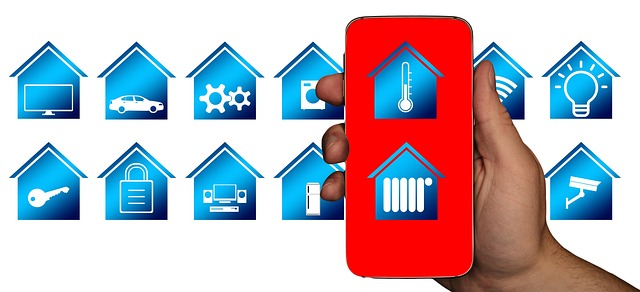
Moreover, the integration of IoT (Internet of Things) devices and smart home platforms has transformed HVAC maintenance into a proactive rather than reactive process. Smart thermostats, for example, learn occupants’ habits and adjust settings accordingly, enhancing comfort while reducing energy consumption. As these technologies become more mainstream, borrowers can expect to see even greater returns on their investments in efficient HVAC upgrades. It’s crucial for borrowers to consult with reputable contractors who stay abreast of these developments, ensuring they receive advice and solutions aligned with the latest market trends in HVAC upgrades.
Analyzing Long-Term Savings Potential

When considering HVAC (Heating, Ventilation, and Air Conditioning) replacement cost, borrowers often focus on immediate expenses. However, a strategic analysis of long-term savings potential offers a more comprehensive perspective. Efficient HVAC systems are designed to reduce energy consumption, resulting in substantial cost savings over time. According to industry experts, high-efficiency models can lower operating costs by 30-50% compared to outdated systems.
A practical example illustrates this point. Replacing an old, inefficient unit with a modern, Energy Star-rated model can significantly impact utility bills. For instance, a study by the U.S. Department of Energy found that homeowners saw an average annual savings of $180 by upgrading their HVAC systems. This translates to a pay-off period of just over 3 years for a typical replacement cost, demonstrating the rapid return on investment.
Moreover, as energy costs fluctuate, efficient HVAC systems provide greater stability. Older models may become less cost-effective as energy prices rise, whereas modern, energy-efficient units are designed with variable speed compressors and advanced thermostats, allowing for precise temperature control while minimizing energy usage. This long-term efficiency not only reduces utility bills but also contributes to environmental sustainability.
To maximize the savings potential from HVAC replacement cost, borrowers should seek expert advice. Consulting with qualified professionals ensures the selection of systems tailored to individual needs and energy efficiency standards. Additionally, exploring government incentives and rebates for energy-efficient upgrades can further offset the initial investment. By embracing these strategic considerations, borrowers not only enhance their financial well-being but also enjoy improved comfort and environmental responsibility.
Strategies for Mitigating Borrowing Expenses

The cost of HVAC (Heating, Ventilation, and Air Conditioning) system replacements can significantly impact borrowers’ financial strategies. With these systems being critical for comfort and energy efficiency in homes and commercial spaces, understanding how to mitigate associated expenses is paramount. One effective approach involves recognizing the intimate link between HVAC replacement costs and overall borrowing expenses.
Strategic planning can reduce the financial burden by focusing on both upfront investment and long-term savings. For instance, borrowers should consider modern, energy-efficient models that offer substantial long-term cost savings through reduced utility bills. Many manufacturers provide data comparing the efficiency of their units, helping consumers make informed choices to lower overall HVAC replacement cost efficiency. Additionally, financing options play a crucial role; strategic borrowing and repayment plans can distribute costs over time, easing financial strain.
Expert advice suggests evaluating contractor quotes thoroughly, as pricing can vary widely. Shopping around for competitive rates not only saves on the initial installation but also offers insights into potential long-term maintenance cost savings. Moreover, taking advantage of tax incentives and rebates related to energy-efficient systems can further offset replacement costs, providing significant returns on investment over time. By employing these strategies, borrowers can navigate the process with a keen eye for detail, ensuring they secure not only a functional HVAC system but also one that contributes to their overall financial health.